
Fine Silver vs Sterling Silver: Choosing the Right Material
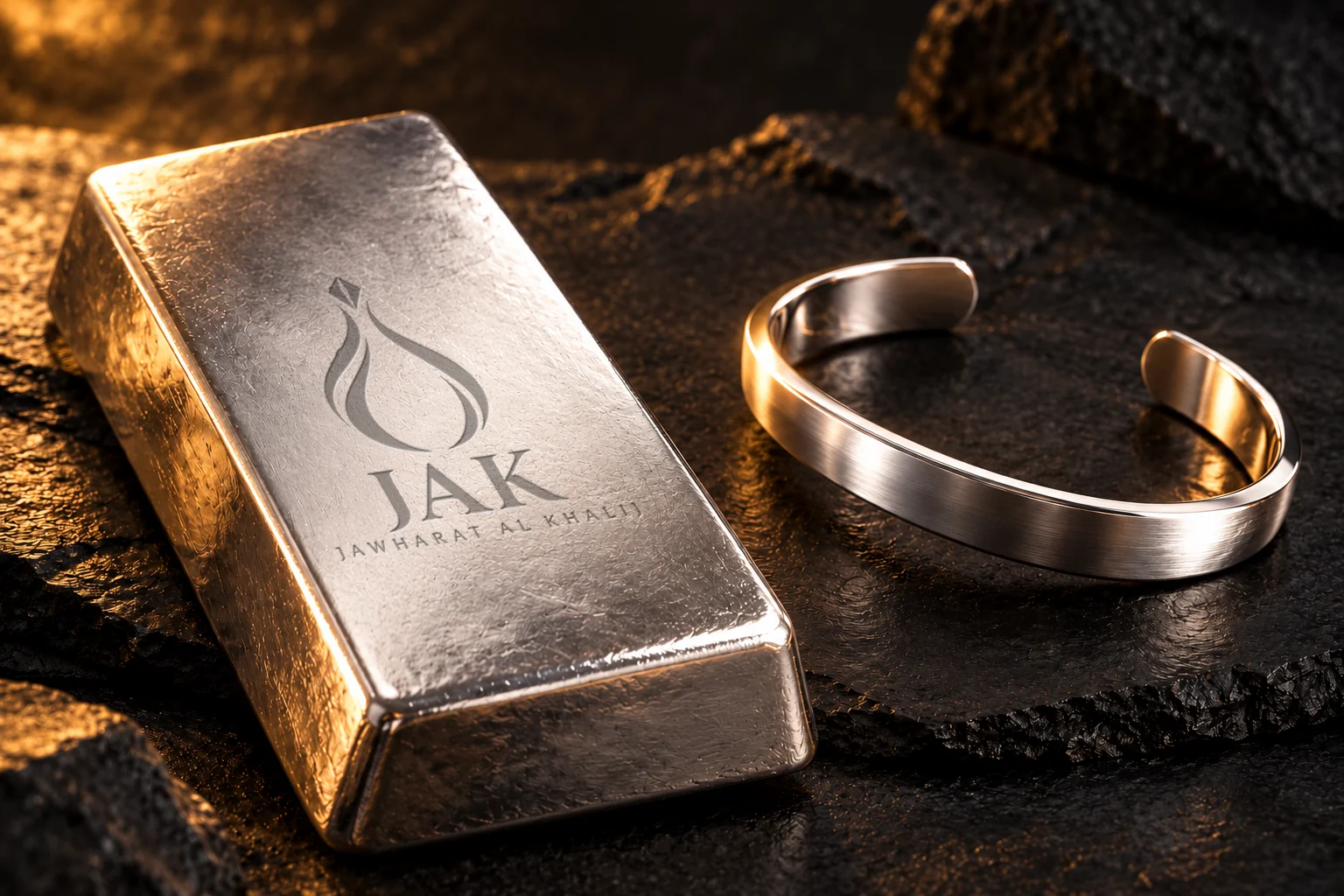
Fine silver and sterling silver serve different purposes. Fine silver offers a higher silver concentration; sterling is an alloy widely used for jewellery and practical silverware. Choosing between them starts with the object you need, how it will be made and the demands it will face.
A purity number answers a composition question. For a useful purchase, you also need to understand the finished design, the condition of the metal and any surface treatment.
What 999 and 925 mean
Fineness expresses the silver content in parts per thousand. Fine silver marked 999 contains 99.9% silver. Sterling silver marked 925 contains 92.5% silver, with the remaining proportion made up of other metals. The British Hallmarking Council’s fineness guidance identifies 999 as fine silver and 925 as sterling within its UK framework.
Copper is a common alloying addition, but a description of sterling alone does not identify every ingredient. The Royal Society of Chemistry describes sterling as 92.5% silver with copper or another metal making up the balance. Ask for the alloy specification when manufacturing performance or a particular ingredient matters.
The decimal position matters too. A specification of 999.9 means 99.99%, while 999 means 99.9%. Record the exact stated grade instead of rounding every high-purity product to “pure silver”.
Why more silver does not settle the choice
Pure silver is relatively soft. Rio Grande’s comparative hardness charts list traditional sterling as harder than fine silver at comparable working conditions. That makes sterling a useful starting point when a jewellery design needs to hold its shape, though dimensions and manufacturing still matter. A thin ring shank, a broad pendant and an earring fitting present different design problems, even when their silver content is identical.
The metal’s condition also matters. A sheet or wire can be supplied in different hardness conditions, and forming or heat treatment can change its behaviour. Rio Grande’s technical guide to metal hardness explains why a material name alone cannot describe how a piece will respond during fabrication.
For finished jewellery, ask how the design was made suitable for its intended use. For manufacturing stock, specify both alloy and condition. Substituting fine silver for sterling simply because the number is higher can change how an established design behaves.
Match the purchase to its job
For a jewellery buyer, the practical starting point is the finished object. Try the clasp, examine the joins and ask whether the item was designed for frequent wear. With a ring or bracelet, discuss the activities it will encounter. With a decorative pendant, comfort and the attachment point may deserve more attention than a simple hardness comparison.
For a workshop, start with the process. Ask whether the material is intended for casting, forming, soldering or another operation. Obtain the supplier’s instructions for that exact alloy rather than borrowing temperatures or procedures from a different silver grade.
For a bullion buyer, the priorities change again: declared fineness, net metal weight and the terms of sale become central.
These are different purchasing decisions. A jewellery design can be successful without using the same specification as a bullion bar.
Keep surface finish separate from the underlying metal
A sterling item may have an additional coating or a deliberately darkened decorative finish. Ask for both the body metal and the surface treatment in writing. An appearance description such as “silver colour” tells you little about the material beneath it.
Silver plating is another separate category: a surface layer of silver covers a different underlying material. Do not assume that a reference to silver on a label describes the entire object. If the wording is unclear, request an explicit statement of what the body, fittings and visible finish are made from.
Tarnish does not by itself identify purity
Both high-purity silver and sterling can tarnish. The Canadian Conservation Institute explains that sulfur-containing gases react with silver, and that copper in conventional sterling can increase the tarnishing rate. Exposure and humidity also matter. A darkened surface therefore cannot establish a precise silver percentage. See the institute’s explanation of silver tarnish.
Cleaning should suit the complete object, including its coating, stones and decorative finish. Avoid assuming that the same polishing method is suitable for every item sold as silver.
Five questions to ask before buying
- What is the exact silver fineness, and which parts does it describe?
- Is the body silver alloy throughout or silver-plated?
- What surface treatment, if any, has been applied?
- Is this design or material grade suitable for my intended use?
- What documentation, care guidance and repair support accompany it?
For interpreting the evidence behind a material description, see our guide to jewellery hallmarks and assay reports. The strongest buying decision combines a clear composition statement with a design and specification that fit the job.