
Proof, Bullion and Uncirculated Coins: Understanding the Finish
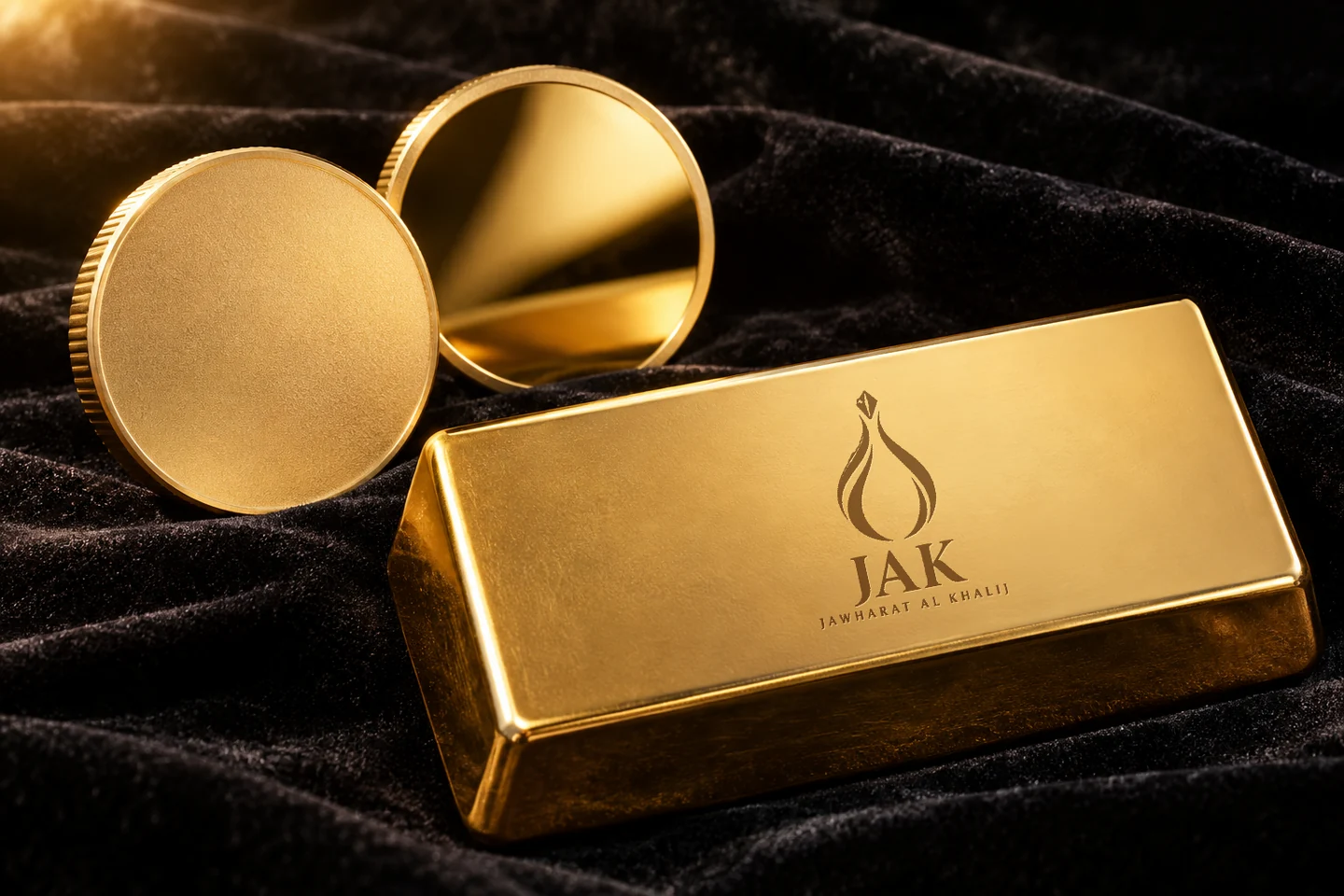
Two gold coins can share a design and look very different under the same light. One may have a reflective background and frosted detail; another may show a more uniform surface. The difference can come from their striking standard, rather than their gold content.
Understanding proof, bullion and uncirculated coin finishes helps you read a product description accurately. These terms do not answer every question about a coin. Metal composition, fine-metal weight, edition, condition and presentation still need separate attention. Start by identifying exactly which version is being described, rather than treating a familiar design name as a complete specification.
What makes a coin proof?
Proof describes a specialised production process. The U.S. Mint explains that its proof coins use specially prepared blanks and dies and receive multiple strikes. The familiar result combines detailed, frosted design elements with a mirror-like background. The Royal Mint likewise describes careful die preparation and repeated striking for its proof standard.
Those extra production steps are part of the object’s finish. They are not a test result about its purity. A coin described as proof still needs a separate statement of metal and fineness. The word also does not mean that every proof coin currently offered for sale remains free from marks: production and subsequent condition are different questions. See the U.S. Mint’s explanation of collectible coins.
What does bullion describe?
Bullion coins are produced with precious-metal ownership as their principal purpose. In the U.S. Mint’s description, their valuation is centred on metal weight and fineness, while collectible issues can involve additional considerations such as rarity and condition.
A bullion coin can still have an attractive design and detailed security features. “Bullion” is not another word for poor workmanship. The Royal Mint distinguishes its bullion standard from the more elaborate production and presentation of proof coins. These are different product specifications, not a universal ranking of which coin every buyer should prefer. Its striking standards guide explains the distinction.
For a practical comparison, place metal, fine-metal weight and finish on separate lines. If one of those fields is missing, request the information rather than filling the gap from the photographs.
Why “uncirculated” needs context
The word uncirculated can describe a coin that has not entered general circulation, but it can also appear in a mint’s product terminology. The U.S. Mint’s glossary explicitly recognises more than one use of the term, including its relationship to preservation and specially manufactured collector coins.
Brilliant Uncirculated, often shortened to BU, is a defined striking standard in The Royal Mint’s range. Its glossary places that standard above circulating and bullion finishes in detail, while distinguishing it from proof. That definition should not be assumed to describe every seller’s use of the same initials.
When a listing says only “BU gold coin”, ask whether BU names the issuing mint’s edition or describes the seller’s assessment of its condition. An answer tied to the exact product is more useful than a broad assurance that the coin is new. Compare the U.S. Mint glossary with The Royal Mint’s terminology.
Read the surface without overreading it
The flat background around the design is called the field; the raised design provides a contrasting surface. On a conventional proof, those areas often create the familiar mirror-and-frost effect. Reverse proof and other enhanced finishes change how polished and frosted areas are arranged, as the U.S. Mint glossary illustrates.
This is why a photograph cannot be reduced to “shiny means proof”. Lighting, angle and reflections can alter how contrast appears. A dark-looking background may simply be reflecting a dark camera or room. Request clear photographs of both sides and the product’s written finish description. Use the images to understand appearance, while retaining the mint’s specification as the reference for the named edition.
Keep finish, condition and packaging separate
A presentation case can support the experience of owning a collector issue, but the case alone does not establish which coin is inside. Match the coin’s year, denomination, metal and edition to the accompanying description. A certificate belongs in that comparison; it should not replace it.
The U.S. Mint recommends retaining original cases and capsules. Its glossary also explains that cleaning or polishing can leave fine scratches known as hairlines. That matters especially when subtle surface contrast is part of the appeal. Do not polish a coin to make it look more like a photograph. Leave an encapsulated example protected while checking its details. The Mint’s coin-care guidance provides the handling background.
A short comparison checklist
Before comparing two versions of a gold or silver coin, record:
- The issuing mint, year and full edition name.
- Metal composition, fineness and stated fine-metal weight.
- The mint’s specified finish, including any reverse-proof or enhanced designation.
- Whether images show the actual item or a representative example.
- The stated condition and any disclosed marks or alterations.
- The original capsule, case and documents included with that particular item.
If two listings differ, identify which field explains the difference before drawing conclusions. A proof finish, an uncirculated condition description and a stated quantity of gold each tell you something useful. Reading them separately produces a clearer understanding of the coin in front of you.
For related material context, see our guide to numerical fineness.