
Pearl Jewellery with Gold or Silver Fittings: A Care Guide
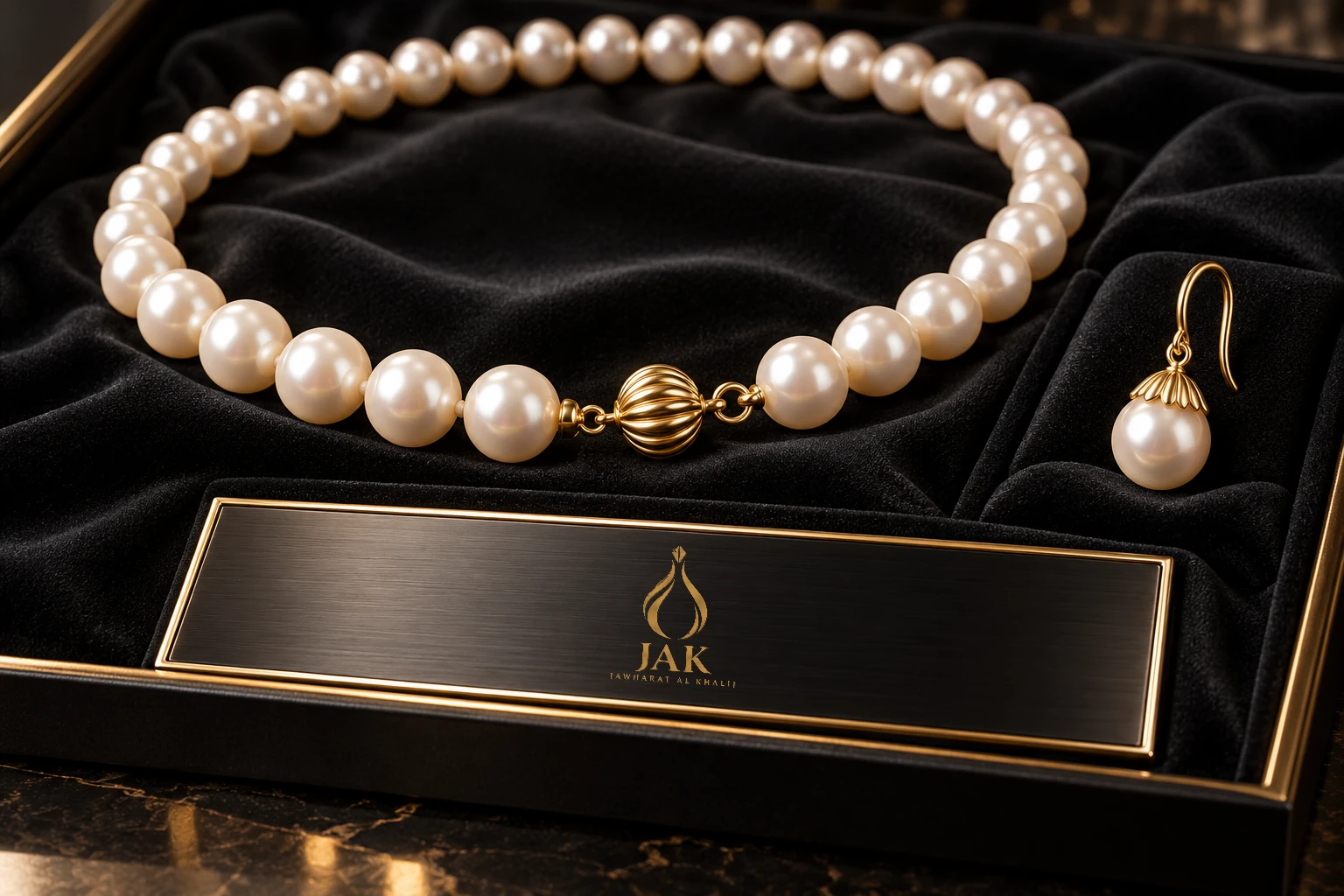
A pearl necklace may include silk or another stringing material, knots, metal end fittings and a clasp. A pearl earring may instead use a post, cup and fixing system. These are different constructions, even when the pearls look alike. Caring for the complete piece means considering every component before choosing a cleaning method.
Gold or silver fittings do not make a pearl safe for a metal-cleaning dip. When materials have different care requirements, follow the most restrictive requirement and the maker’s instructions for the finished jewellery.
Why the pearl changes the care plan
GIA rates pearl at about 2.5 on the Mohs hardness scale, making its surface susceptible to scratching. Its pearl care guide also warns about heat, acids and chemicals, and rules out steam and ultrasonic cleaning.
That distinction matters with mixed pieces. A technique used on a plain metal chain is not automatically suitable for a pendant that carries a pearl. The same caution applies if the design also contains diamonds: a durable neighbouring stone does not cancel the pearl’s requirements.
Keep the original care card if one exists. For an inherited or second-hand piece, ask a jeweller to identify the construction before attempting more than a gentle surface wipe.
Strung pearls and mounted pearls need different checks
On a strand, examine the thread near the clasp and between pearls without pulling them apart. New gaps, visibly worn thread or a change in how the strand hangs are reasons to arrange assessment. Knots are useful, but they do not make old stringing material permanent.
GIA’s pearl-care FAQ explains that silk can stretch, darken or wear thin and that restringing may be needed. Ask about timing based on the strand’s condition and frequency of wear, rather than assuming an unworn necklace never needs attention.
For mounted pearls, look at how the pearl meets the metal. If it appears to have shifted or moves during ordinary handling, stop wearing it. Do not twist it to test the attachment. Some constructions use adhesive as part of the fixing, while others involve different supporting arrangements; appearance alone may not reveal which you have.
Put pearls on after personal-care products
Finish applying perfume, cosmetics and hair products before putting pearl jewellery on. Avoid spraying products toward pearls already being worn. Mikimoto’s care guidance recommends this order and a soft-cloth wipe after wear, including removal of perspiration residues.
Think about contact as well as splashes. A pearl bracelet can rub against a desk or other jewellery, while a ring is exposed whenever the hand grips or reaches. Choose when to wear these pieces with that exposure in mind, and remove them before activities likely to knock, abrade or contaminate them.
Do not use a pearl as a handle. When taking off earrings, support the metal fitting rather than pulling the pearl against a resistant back. If the fastening is unfamiliar, have its operation demonstrated instead of experimenting with force.
Keep everyday cleaning simple
Use a very soft, clean cloth and light pressure after wearing. Check the cloth for grit first, and do not substitute a chemically treated metal-polishing cloth for an untreated wiping cloth.
GIA permits warm, soapy water for occasional pearl cleaning, but the construction still matters. If a piece has uncertain attachments, aged thread or unknown care instructions, ask for a suitable method before wet cleaning. Never treat permission for gentle washing as permission for soaking in a jewellery dip.
If a strung piece becomes wet, support it flat and allow the stringing material to dry completely before wearing. GIA’s general jewellery-care guidance notes that wet silk can stretch. Hanging a damp strand from its clasp places its weight on the thread when that is least helpful.
Treat tarnished fittings as a separate problem
A silver clasp may need attention while the pearls themselves remain attractive. Resist the temptation to immerse the entire piece in a product intended for bare silver. Ask a jeweller how the metal can be treated while protecting the pearls, thread and any other materials.
Our fine silver and sterling silver guide explains the material distinction. It does not change the care needs of pearls attached to those metals. Likewise, solid gold, gold-filled and gold-plated jewellery require different considerations at the metal surface; identify the fitting before choosing a polishing treatment.
Store the whole piece thoughtfully
Give pearl jewellery its own soft-lined space rather than letting it rub against harder gemstones, sharp findings or loose chains. Fasten clasps where appropriate so pieces do not tangle together. Avoid prolonged storage in hot, excessively dry conditions, which pearl-care guidance warns against.
For travel, separate earrings from a strand instead of packing their posts against pearl surfaces. Place the pouch or case where heavier items cannot crush it. A small packing decision can prevent contact that careful cleaning cannot undo.
Know when to ask for professional help
Arrange an assessment for frayed thread, a failing clasp, a loose mounted pearl, a bent post or a marked change in surface appearance. Record when you first noticed the issue and any recent exposure to a cleaner or impact. Do not add household adhesive or try to buff a damaged pearl shiny.
Ask for a care plan for that complete piece: how to wipe it, whether wet cleaning is appropriate, which fittings need attention and when the stringing should be reviewed. The aim is to preserve both the pearl surface and the structure that keeps it secure.